
If you’ve ever owned a ring that no longer fits perfectly, you may have asked: how does a ring adjuster work? This simple yet effective tool helps maintain a secure fit without altering the ring itself. It acts as a temporary or semi-permanent solution for loose bands that spin or slip off easily. Instead of visiting a jeweler for resizing, many people choose this affordable and reversible option.
Moreover, ring adjusters come in various styles and materials. Some attach to the inside of the band, while others wrap around the shank. They reduce the inner diameter just enough to keep the ring snug on your finger. Most are made from flexible silicone, durable plastic, or soft fabric. Because they don’t require heat or metalwork, they preserve delicate engravings or gem settings. Therefore, understanding how does a ring adjuster work can save time, money, and stress. Whether due to weight loss, weather changes, or natural finger shrinkage, this device offers a practical fix. It works on everything from wedding bands to fashion rings.
 The Basic Mechanism Behind Ring Adjusters
How Physical Fit Is Improved Without Altering the Ring
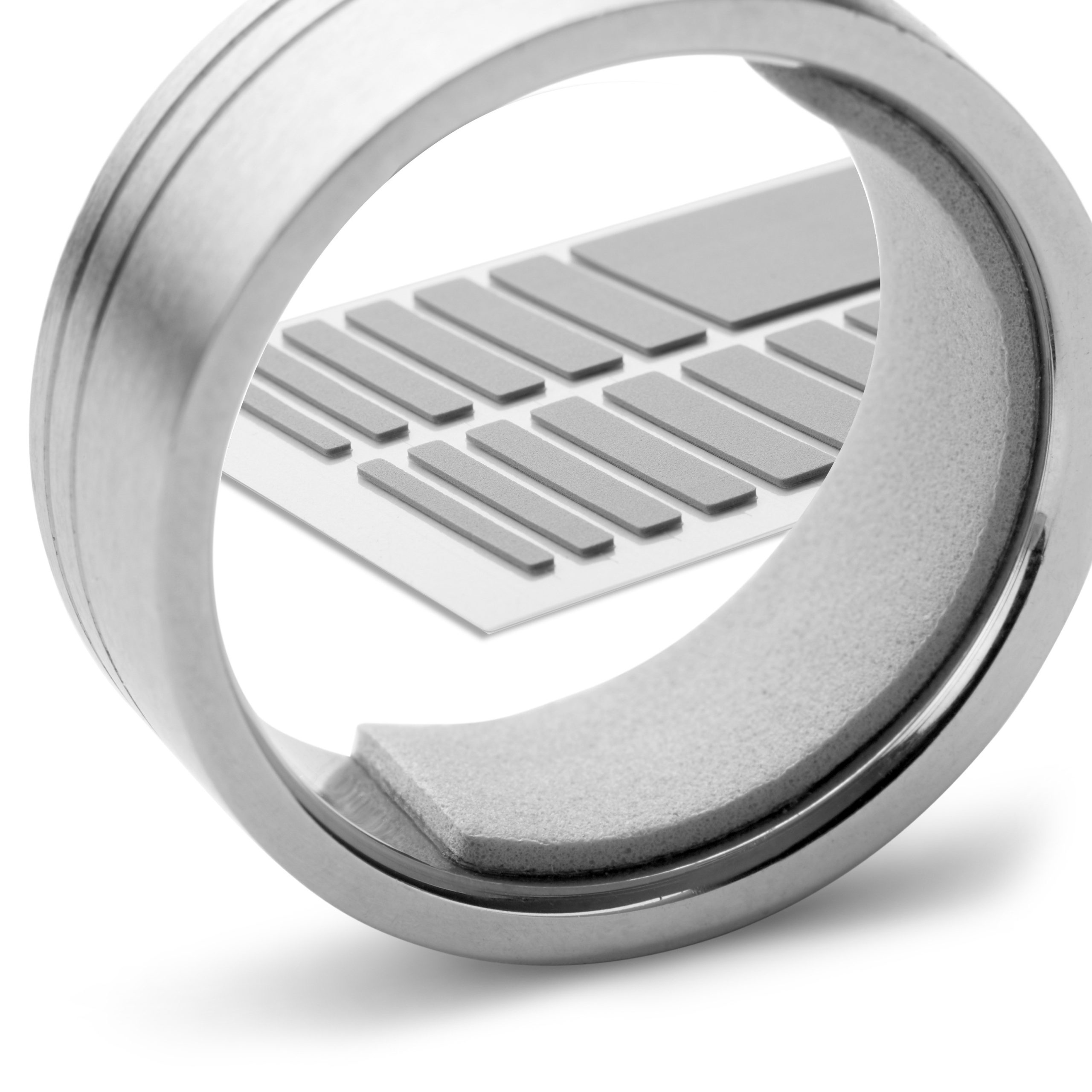
How does a ring adjuster work? A ring adjuster functions by narrowing the space between the ring and your finger. When a ring is too large, it moves freely and risks falling off. The adjuster fills that gap gently. It creates resistance against the skin, preventing slippage during daily movement.
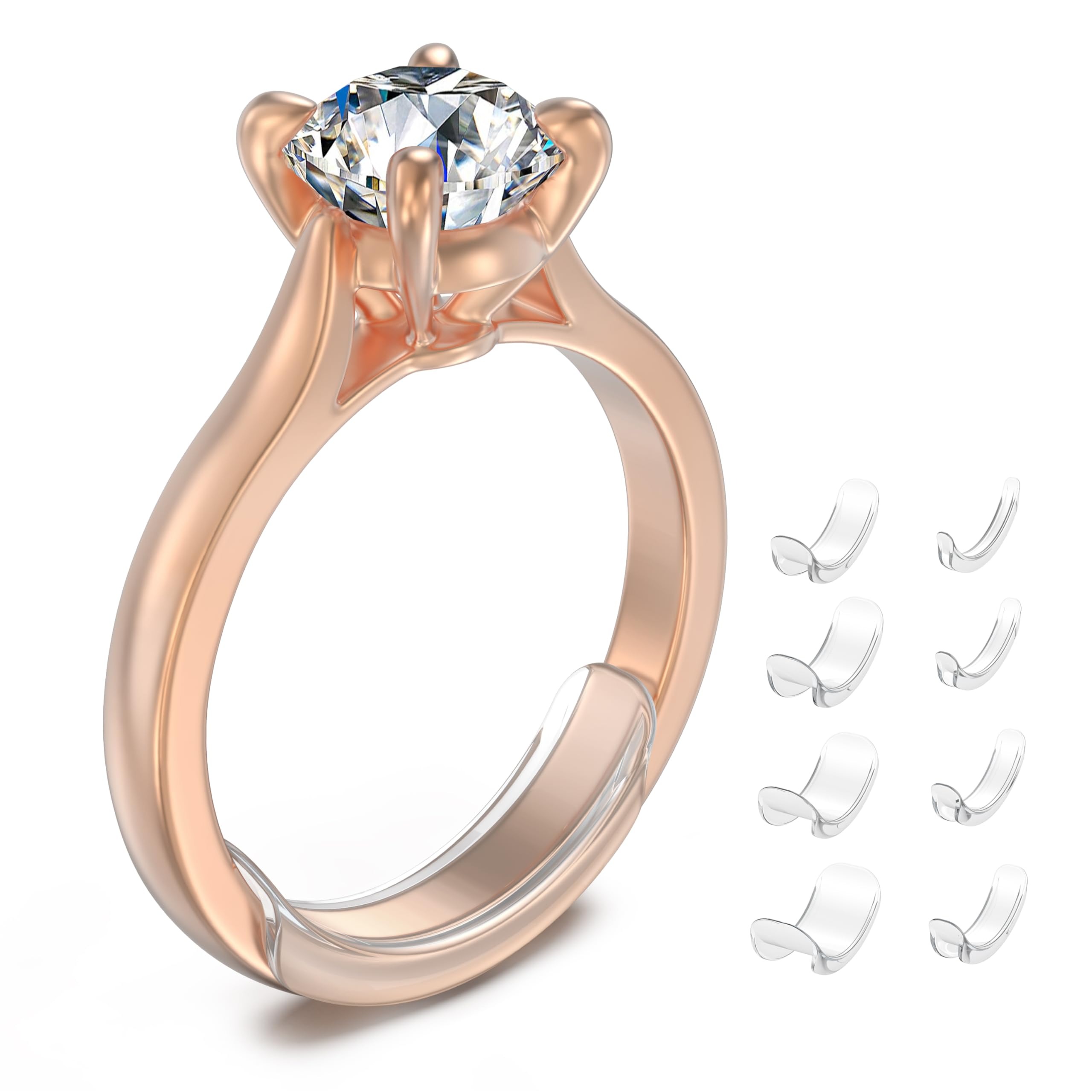
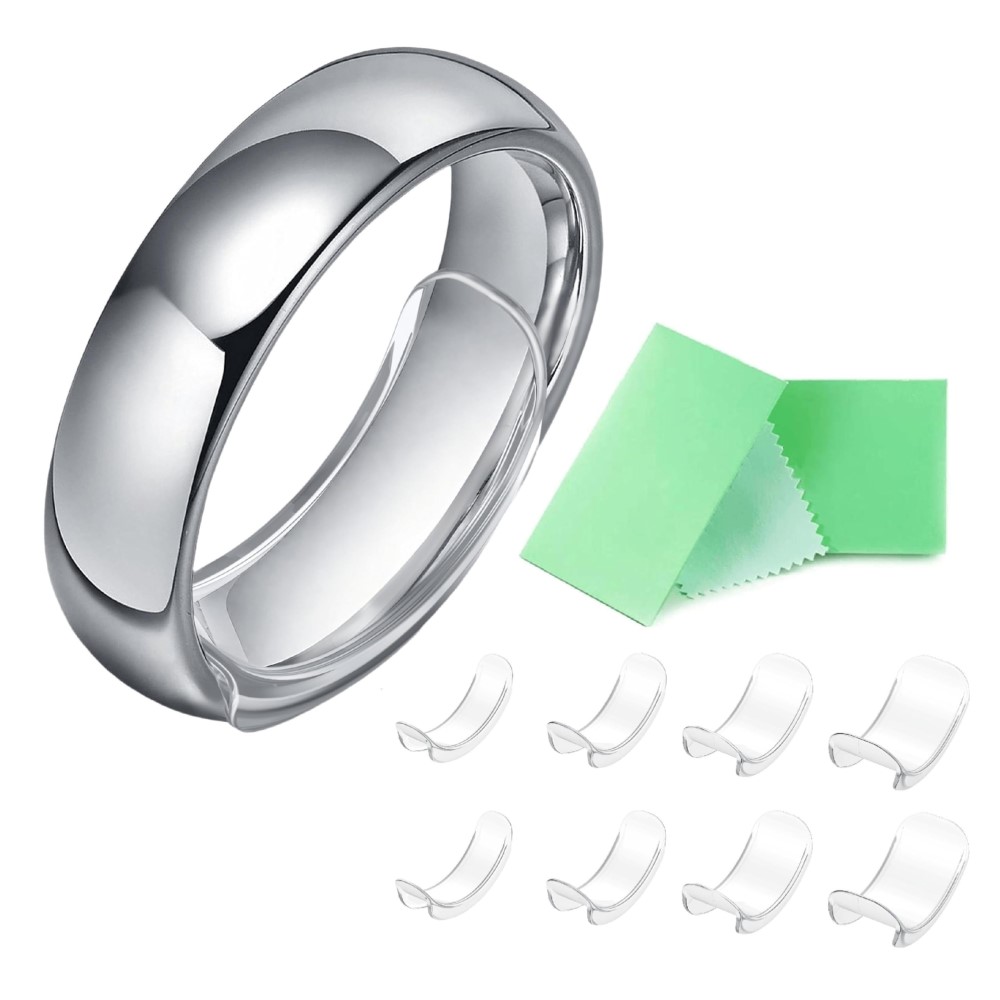
Most models slide onto the bottom of the ring shank. They sit at the back where contact with the finger is constant. As you wear the ring, the adjuster compresses slightly. This adds friction and holds the band in place. It doesn’t change the outer shape. Instead, it modifies only the internal fit.
Some versions use adhesive strips. These stick directly to the inside of the band. They act like cushions that take up extra room. Others resemble small bumpers placed under the ring. All aim to reduce wobble without pressure points.
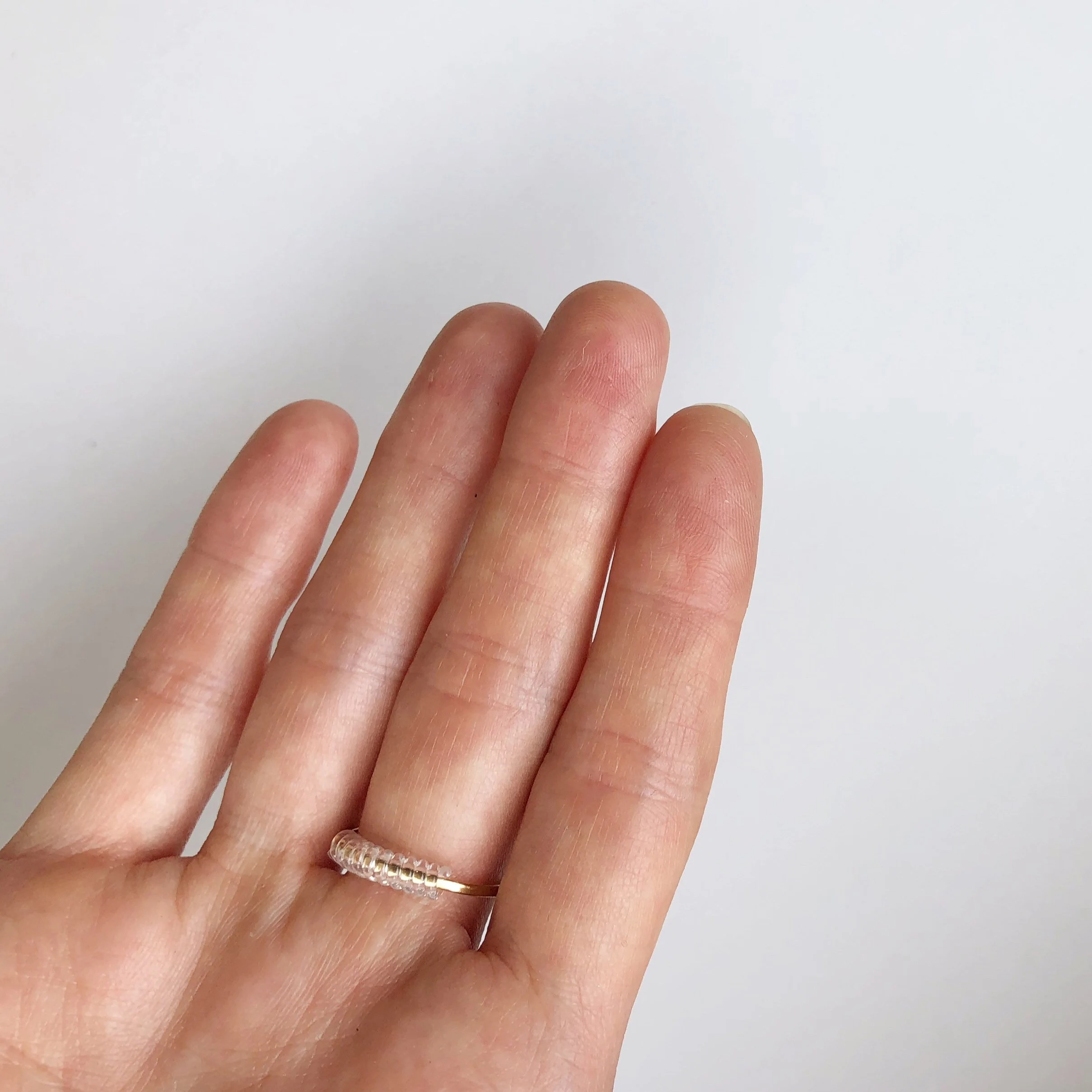
Additionally, elastic bands loop around the ring’s base. These stretch to conform to your finger size. They offer flexibility and comfort over long periods. You can remove them anytime without residue.
Therefore, the principle is straightforward. The adjuster compensates for looseness through added material. It maintains alignment and prevents rotation. Hence, asking how does a ring adjuster work leads to a simple answer: it fills space intelligently. No tools or expertise are needed. Anyone can apply one quickly at home.
Different Types of Ring Adjusters Available
Choosing the Right Style for Your Needs
Several types of ring adjusters serve different purposes. Silicone inserts are among the most popular. They slide easily onto the shank and stay in place securely. Their soft texture feels comfortable all day. Many come in clear or skin tones to remain invisible.
Adhesive-backed pads are another common choice. Users peel and stick them inside the band. These work well for slight adjustments. However, they may wear out faster than other options. Moisture or frequent hand washing can loosen their grip.
Wrap-around elastic bands offer a reusable solution. Made from stretchy, latex-free material, they encircle the entire base. Some include tiny closures for a custom fit. These adapt to temperature-related swelling or shrinking.
Then there are clip-on adjusters. These snap into position behind the ring. They provide strong support for heavier pieces. Often used for engagement rings with large center stones. Their rigid structure prevents twisting.
Fabric-covered cord adjusters also exist. These twist around the shank and tie off discreetly. They suit vintage or ornate rings where bulk matters less. Their classic look blends with traditional designs.
Each type has pros and cons. Silicone lasts longer. Adhesives are low-profile. Elastic bands allow breathing room. Clips offer maximum hold. Consider your lifestyle when selecting one. Active users need sturdier options. Office workers might prefer subtlety.
Ultimately, variety ensures everyone finds a match. Whether seeking invisibility or strength, solutions exist. Therefore, knowing how does a ring adjuster work includes recognizing which style suits your situation best.
 Benefits of Using a Ring Adjuster Over Resizing
Why Many People Skip the Jeweler
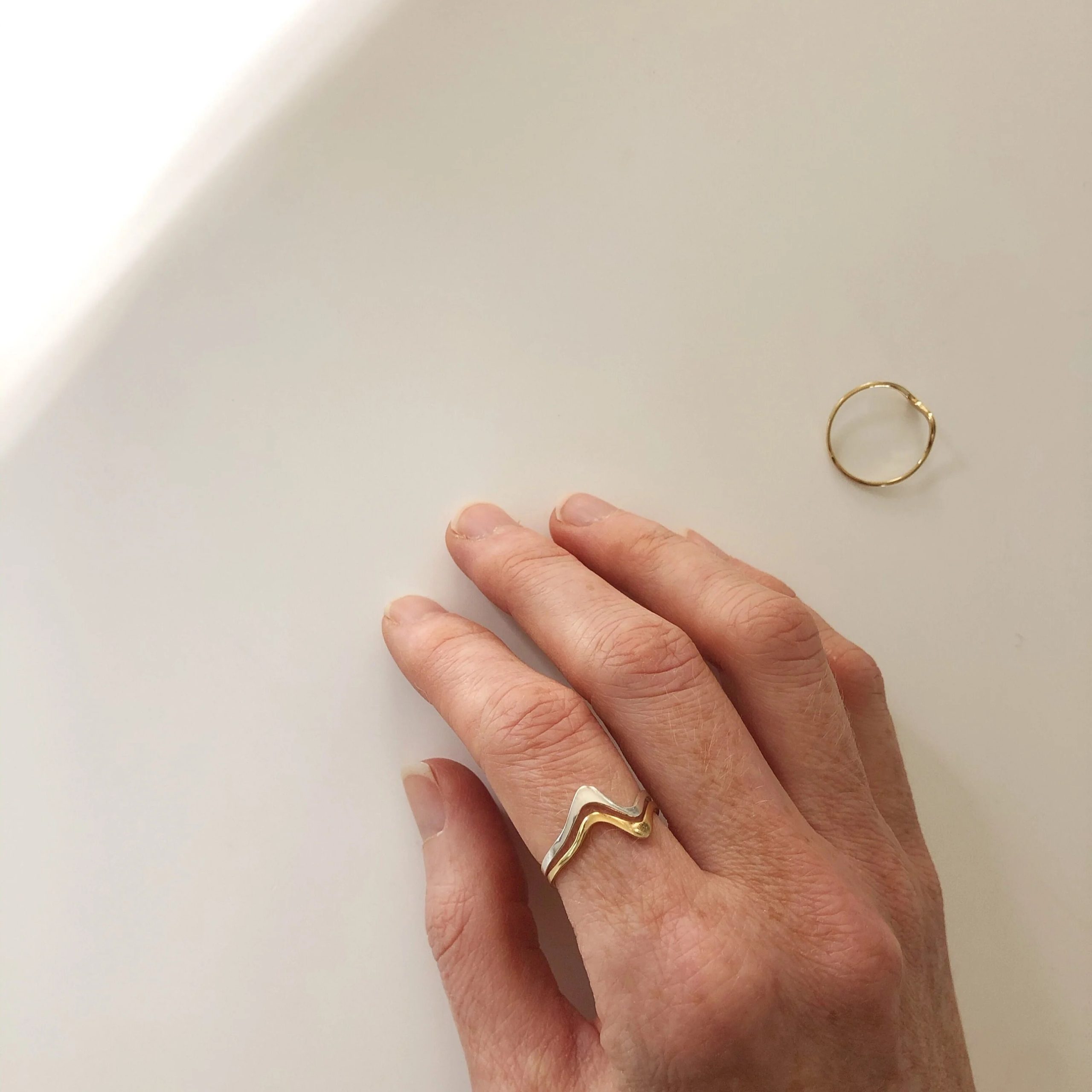
One major advantage of a ring adjuster is reversibility. Unlike permanent resizing, it doesn’t alter the original piece. This matters for heirloom jewelry or sentimental items. You avoid cutting metal or resetting stones.
Also, cost plays a big role. Professional resizing ranges from 20toover100. Complex settings increase the price. In contrast, most ring adjusters cost under $15. Some sets include multiple sizes. This makes them economical for trying different fits.
Time savings are significant too. Visiting a jeweler means waiting days or weeks. Shipping delays add more time if ordering online. A ring adjuster provides instant results. Apply it within minutes and wear the ring immediately.
Another benefit is flexibility. Fingers change size due to age, pregnancy, or climate. Cold weather often causes shrinkage. Heat leads to swelling. With an adjuster, you adapt quickly. Remove it when needed. Resize later only if changes become permanent.
Travelers also rely on them. Moving between countries or elevations affects fit. Packing a few adjusters takes little space. They solve sudden looseness anywhere in the world.
Furthermore, some rings cannot be resized safely. Tungsten, ceramic, or wood inlays resist modification. Engraved bands lose detail if cut. Gemstone placements risk damage. An adjuster avoids these risks entirely.
Therefore, choosing this method preserves value and function. It gives control back to the wearer. For temporary issues, it’s clearly smarter than irreversible changes.
How to Properly Install a Ring Adjuster
Step-by-Step Application Tips
Installing a ring adjuster starts with cleaning the ring. Wipe the inside and outside with a soft cloth. Remove oils, lotions, or dust. A clean surface ensures better adhesion for sticky types.
Next, determine the correct placement. Most adjusters go on the lower half of the shank. This area contacts the finger knuckle. Align it straight so pressure stays even. Avoid tilting to one side.
For sliding silicone models, gently push it onto the band. Start from the open end if applicable. Slide it up until it rests against the bottom. Make sure it doesn’t interfere with any stones or prongs.
Adhesive pads require careful handling. Peel off the backing slowly. Press the pad firmly into place. Hold for ten seconds to ensure bonding. Wait a few minutes before wearing the ring.
Elastic wraps go around the base. Stretch them slightly as you loop. Secure the ends with a knot or clasp. Trim excess carefully if needed. Do not make it too tight. Leave room for blood flow.
After installation, test the fit. Put the ring on and move your fingers. Open and close your hand several times. Check for pinching or slipping. Adjust or replace the device if uncomfortable.
Finally, inspect regularly. Look for signs of wear or loosening. Replace every few months depending on use. Daily friction reduces lifespan. Keeping extras on hand prevents surprises.
Thus, proper setup ensures safety and comfort. Taking time now prevents future issues. Learning how does a ring adjuster work includes mastering its application.
 Caring for Your Ring and Adjuster Together
Maintaining Cleanliness and Longevity
Regular cleaning keeps both ring and adjuster in good condition. Remove the adjuster if possible before washing hands. Soap and water degrade adhesives and soften silicone over time. Dry everything thoroughly before reapplying.
Use mild soap and a soft brush for the ring. Focus on crevices where dirt collects. Rinse well and pat dry. Avoid harsh chemicals like bleach or acetone. These can discolor metals or weaken glues.
Inspect the adjuster frequently. Look for cracks, tears, or stiffness. Replace it if the material feels brittle. Worn pieces lose effectiveness and may irritate skin. Fresh ones restore reliable performance.
Store the ring properly when not in use. Place it in a lined box or pouch. Keep it away from extreme heat or moisture. High temperatures warp plastic and melt glue. Humidity promotes mold under trapped layers.
Avoid wearing the ring during intense activities. Gardening, exercise, or housework increases friction. Sweat accelerates deterioration of soft materials. Take it off to extend the life of both components.
Also, monitor skin health. Redness or itching may signal irritation. Remove the adjuster and let your finger breathe. Try a hypoallergenic version next time. Latex-free and nickel-free options exist.
Rotate between multiple adjusters if available. Alternating usage reduces strain on each piece. This extends overall usability. Small habits lead to long-term success.
Therefore, care routines protect your investment. A clean, well-maintained system performs better. It also looks neater and feels smoother.
When to Choose Permanent Resizing Instead
Knowing the Limits of Temporary Fixes
While ring adjusters solve many problems, they aren’t always ideal. If your finger size changes permanently, resizing becomes smarter. Weight loss, aging, or surgery may result in lasting differences. In those cases, a one-time fix outweighs ongoing adjustments.
Also, heavy rings may overwhelm small adjusters. Large gemstones or thick bands create leverage. This increases pressure on the back of the shank. Over time, even strong devices can fail. The risk of losing the ring rises.
Visible adjusters may bother some users. Although many are discreet, certain styles peek out. People who value appearance may dislike the look. A seamless resize offers a cleaner aesthetic.
Frequent removal and reapplication cause inconvenience. Travelers or shift workers might forget replacements. Those with busy schedules prefer a set-it-and-forget-it solution.
Additionally, damaged adjusters can leave residue. Old adhesives sometimes stick to the ring. Removing them requires extra effort. Scratching may occur if not done carefully.
Jewelers today offer high-quality resizing services. They use precision tools and protective techniques. Many guarantee their work for months or years. Trusting a professional brings peace of mind.
Therefore, assess your needs honestly. Short-term fixes work well for temporary shifts. But long-term changes call for permanent action. Balance convenience with durability.
 Frequently Asked Questions About Ring Adjusters
Common Concerns From First-Time Users
Do ring adjusters damage the jewelry? No, most do not. They avoid direct contact with polished surfaces. Soft materials prevent scratches. Just install carefully and avoid forcing.
Can I wear my ring in water? It depends. Brief exposure like handwashing is fine. Prolonged soaking weakens adhesives and stretches elastic. Remove it before swimming or bathing.
Are they safe for sensitive skin? Yes, if made from hypoallergenic materials. Look for latex-free, nickel-free labels. Test for a short period first.
Will it affect ring spinning? Not if installed correctly. Position it evenly. Avoid shifting during wear.
How long do they last? Typically 3 to 6 months. Heavy use shortens lifespan. Replace when worn or loose.
Can I resize kids’ rings with them? Yes, especially useful during growth phases. Children’s fingers change often. Adjusters accommodate quick shifts.
Do they work on all metals? Yes, including gold, silver, platinum, and titanium. Material doesn’t matter. Fit is what counts.
These answers help users start confidently. Knowledge improves experience.
 Conclusion: Understanding What Makes a Ring Adjuster Effective
How does a ring adjuster work? Learning how does a ring adjuster work reveals a smart, accessible solution for loose rings. It combines simplicity with practical benefits. No special skills are required. Yet it restores confidence in wearing valuable or meaningful jewelry.
The device fills space without altering the original design. It adapts to changing conditions. Whether due to weather, health, or activity, users regain control. Comfort, security, and peace of mind return instantly.
More importantly, it bridges the gap between immediate need and long-term decisions. You delay costly repairs until necessary. Meanwhile, your ring stays functional and safe.
With various styles available, everyone finds a suitable match. From nearly invisible inserts to sturdy clips, choices abound. Easy installation and maintenance support everyday use.
Yes, how does a ring adjuster work remains a common question. The answer lies in thoughtful engineering and user-focused design. It proves that small tools can solve big problems. For anyone struggling with a loose band, this device offers a fast, reliable fix.